I love Apothic wines. The winery's newest addition is apropos for the Halloween season, Apothic Dark. This is a superlative blend of Petit Syrah, Cabernet Sauvignon and the rare outside of Italy Teroldego varietals. This is not a wine for those looking for a light red. In fact, its almost dark opaque color is indicative of its depth. On the nose, you'll find scents of earth and smoky cocoa. Coffee and dark chocolate are predominant in the taste, with a backdrop of dark berries and a creamy finish. It was spectacular with my 4-alarm chili, but I would drink this wine with anything. It has so much rich flavor, it's not a compliment to food...it's a dish on its own.
Out in limited release, you need to hurry to enjoy it, especially since I've read several reviews of folks planning to go back and stock up while they can. That's exactly what I'm going to do, too. I want to make sure I have this one on hand.
Showing posts with label wine. Show all posts
Sunday, October 27, 2013
Saturday, June 15, 2013
Barefoot Pinot Grigio
Today was hot and humid in Kansas City... making it hard to believe we had snow on May 5. As I ran errands for 7 hours, I kept thinking about the Barefoot Pinot Grigio I had chilling in the fridge. I finally made it home, uncorked the wine, poured and ... ahhhhh.
Just as the name and logo suggests, this is a great wine for all the activities that summer brings, as well as the fresh salads and fruits that are available for the table. It's so light, it's practically clear in color. On the nose, there's salty grapefruit. The grapefruit flavor follows into the taste, combining perfectly with the crisp and sweet flavors of pear and apple.
Only 12.5% alcohol makes it perfect for poolside and won't interfere with your horseshoe throw. The finish is so clean, it almost feels like I just had a breath mint. It's inexpensive, too!
Thursday, June 13, 2013
Predator Old Vine Zinfandel 2011
It's from Lodi, California, of course... all really good Zins are! The award-winning Rutherford Ranch Winery is located on the Silverado Trail and has a portfolio of seven labels, all from sustainable vineyards. The ladybug logo of the Predator label represents the natural predation method of using the vine-friendly ladybugs for insect control.
It started off with a mild aroma that made me think of having a cup of coffee in a pine forest right after a rain. The flavor of full-on spicy and smoked meat coming to a peppery fruit finish makes it a perfect fit for summer grilling and complimentary to any marinade or BBQ sauce. Save your white wine for poolside... this is the wine you want next to the ribs and brisket.
Wednesday, May 29, 2013
Five Rivers Merlot 2010, Paso Robles
![]() |
| Mission San Miquel, Paso Robles |
![]() |
| Hot Springs Resort, Paso Robles |
Let's move on... the area has a long history of wine production, since 1797, with vines that were tended by Spanish Conquistadors and Franciscan monks. Proud of it's wine-making past, the original vats, owned by none other than Francisco Cortez, are on display at Mission San Miguel. The Taurus in me is thinking, "Uh-huh."
While the hot springs, with it's world renowned mud baths, provided abundant revenue from tourist dollars, it's the wine production that has been the reason for the area's growth.

That's the hype, let's get to the wine.
One thing I noticed was that the wine is 98% Merlot, with only 1% Syrah and a smidgen of both Cabernet Franc and Malbec. Odd blend, to me. On the nose, I smell caramel and plum, with a slight floral aroma I can't quite make... not lavender, but that's the closest I can get. The initial flavor is cherry, but there's some cocoa and what I would call holiday spice with it. Nice mocha finish with a little cinnamon. Overall, an excellent wine for my tastes. And, extremely affordable. SRP is around $10. I'm leery by nature of a lot of what appears to me as superfluous hype, but I will definitely buy this wine again.
In the short time that I've been trying wines, I've come to the conclusion that Merlot was made for chocolate. Luckily, I had some Tollhouse semi-sweet bits that tasted like heaven with it. However, I also tried it with some Romano and mozzarella cheeses, and it was really good with them, too. Although the label recommends hearty meat dishes, I think it's a little weak to work with really spicy or rich food. But, since it conjures up warm-fuzzy sentimentality for me, I would pair it with comfort food, such as meat loaf, roast turkey or my own homemade chicken pot pie. But, seriously, it's made for chocolate or, even better, tiramisu.
Dear Lord. I'm sure I just put on 10 pounds with that thought alone.
Saturday, May 25, 2013
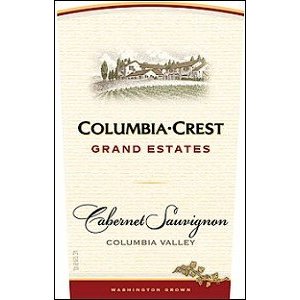
Columbia Crest Grand Estates Cabernet Sauvignon 2010
After a recent wine tasting, I was given a leftover bottle of a familiar label I've not tried before... Columbia Crest Grand Estates Cabernet Sauvignon 2010. I think the reason I've resisted is because Columbia Crest is ubiquitous, which always makes me think very little craftsmanship has gone into its creation. Plus, it also bottles under the label of Two Vines, which I have tried and didn't like. However, this Cab is a great all purpose wine, with enough legs to work with food, but not so overwhelming it can't be enjoyed on its own. It begins with some minty floral notes in the aroma. The taste starts earthy, but follows up with a bit of semi-sweet chocolate, dark cherries and a touch of coffee, adding herbs on a nice finish with medium tannins. Wine Spectator rated it a "Best Buy" with 89 points; Wine Enthusiast rated it 88. SRP is $12, so it's a very affordable choice I will make in the future.
Friday, May 10, 2013
Leese-Fitch Cabernet Sauvignon 2011
OK, all you red fans, I've got one for you... Leese-Fitch Cabernet Sauvignon 2011. Leese-Fitch is a label named for the Leese-Fitch adobe building located in the Sonoma Square. Built in 1836, this historical landmark in Sonoma Plaza was named after Jacob Leese and Henry Fitch, brothers-in-law to General Mariano Vallejo, the founder of the town of Sonoma. The name, Fitch, has a pretty romantic history with the locals. But, the vineyard story is interesting, as well. In 1895, Samuele Sebastiani moved to America and began working in a rock quarry outside of Sonoma. He saved his money and purchased a vineyard. During Prohibition, his winery was one of seven allowed by the State of California to produce wine for medical and clerical purposes. The name of the company is The Other Guys — TOG, for short — and is the producer of Plungerhead Zinfandel... one of my favorites!
Currently, through TOG, siblings Mia and August Sebastiani, are determined to make wines that will continue their family’s reputation for quality wine making for generations to come. They are building this company one handshake at a time, stepping back to the early days when all wine companies were family owned and operated. And through the website, they invite you to learn more about where those wines came from, who they are and what they’re all about.
This 2011 vintage is actually a blend of Cabernet Sauvignon, Syrah, Tempranillo, Alicante Bouchet and Petit Syrah grapes from all over California, including Monterey, Paso Robles and Lodi. It is very dark garnet in color, almost black, with lots of legs. The aroma is full and immediate. You don't have to put your nose in the glass to whiff this one! I smell white flowers, almonds and coffee. On the palate, there's cherry and cocoa with just a hint of smoke. The finish is nice and long, with perfect acidity to enjoy with food. This is a robust wine that should be enjoyed with savory or spicy foods. It was really good on its own, but I think it would be the perfect summer wine for grilled burgers and BBQ.

I'm already a big fan of Plungerhead Zinfandel and will definitely be purchasing this Cab again. The winery also makes a Pinot Noir and Merlot, which I have placed on my must-try list. Very affordable! I purchased it at my local grocery for around $12 on sale, but would willingly pay more. I haven't found a "expert" rating on it, but consumer ratings place it at 89. And, that's who you want to recommend a wine, anyway, right?
You sincerely need to try this wine! But, be sure to remove the price tag. Your guests will think you pulled out the good stuff for them!
Monday, May 6, 2013
Sensual Malbec 2009
I lucked into a 2009 Valentin Bianchi Sensual Malbec from the Mendoza region of Argentina on sale this weekend. I love this wine. Definitely one of my Top 5 favorite Malbecs as far as taste, Top 2 when it comes to value! Wine Enthusiast rates it 88 and a best buy as it is consistently priced around $14/bottle. When you smell this wine, you'll discover plums and violets with just a hint of vanilla. These sensual pleasures carry over to the palate with just a little added tobacco. On the finish, smokey, spicy chocolate... which brings together everything I love in a Malbec. The mouthfeel is full, yet soft, with just enough tannins and a nice, long finish for it to work really well with food.
I've had this wine several times with a wide range of foods. I especially liked it with garlicky Italian dishes and smokey grilled kebabs. And, it works equally well with lighter fare, which tonight happened to be a chef salad. However, it is versatile enough to enjoy with party fare, particularly savory cheeses, or completely on its own while relaxing with a good book or classic movie. Hmmm... I'm thinking it's time to "Play it again, Sam."
Wednesday, April 24, 2013
Ferrari-Carano Fume Blanc 2012 Review
Tonight, with my lover-ly spinach tuna artichoke salad (recipe here... super good), I'm enjoying Ferrari-Carano Fume Blanc (Sauvignon Blanc), 2012, from Sonoma County, California. OK, first of all, check out the winery. It looks like a villa on the Riviera. No, scratch that. It looks like heaven. It's called Villa Fiore, House of Flowers. Yeah, after seeing that, I'm raring to go to my office... NOT! I may need to rethink my retirement plan with regard to state of residence.
The winery is actually in Healdsburg, California, located on the Russian River. It hasn't been in operation very long, just since 1985. The gardens were planted by owner, Rhonda Ferrari-Carano. And, no, there's no relationship to the world-renowned car manufacturer.
The term Fume Blanc is just a fancy name for Sauvignon Blanc and was promoted by Robert Mondavi to identify the specific Sauvignon Blanc grapes produced from vine cuttings that originated in the Sauternes vineyards of Chateau d'Yquem, in the Bordeaux region of France and supposed to be, like, the most superior grapes in the Universe. Well, la-di-da, la-di-da, la, la.
OK, let's get to the wine. I smell predominantly pears, with a little bit of peach and almonds. There's more pear on the taste, with a little bit of pineapple and grassy lime. The winemaker's notes say something about kiwi (which I couldn't identify) and guava (which I've never tasted), and then talked about some spice notes (which my naive palate couldn't pick out). The finish is really crisp, and there's just enough acidity to work well with food. It was really good with my salad but, because the winemaker's notes said it worked well with sushi and cheese, I tried it with the cheeses I had available in the fridge — sorry, no sushi. I tried it with a hickory smoked Swiss, a sharp cheddar and mozzarella. The cheddar won, but I liked it better with the salad of spinach and tuna, which could count as sushi, I guess... kind of... maybe.
The wine is very affordable, about $15/bottle — at which I must exclaim... they must sell a HELLUVA lot of wine to maintain THAT winery for those kind of prices!!! Previous vintages were consistently rated between 89 and 91, this particular wine has been rated at 90 by Connoisseur Guide. It has a little too much pear taste for me, but definitely worth the price. At 13.8% alcohol content, please drink responsibly.
Thursday, April 4, 2013
Neil Ellis Sauvignon Blanc 2011
It's 65 degrees outside. I've been shopping for a tree, top soil, plants and bulbs in anticipation of getting down and dirty — literally — tomorrow. So, in celebration of the entrance into Spring, I'm reviewing a white wine tonight, Neil Ellis Sauvignon Blanc 2011 from the Groenekloof region of South Africa.
Wine making in South Africa goes all the way back to the mid-1600's. The vineyards have the unique advantage of a Mediterranean climate with oceanic air on three sides of dry, hot soil. The grapes grown are primarily Chenin Blanc and Chardonnay.
I specifically chose this wine because the wine maker's tasting notes described it as "savory." I'd never seen that word applied to a white, and thought, "We'll see."
The color of the wine reminded me of yellow sapphires, which I found appealing. It's almost as if it's appearance promises a smooth, fragrant, fresh experience. On the nose, I smell ever so faintly some jasmine with grapefruit. What I especially like is that there is no "pucker" effect on the first sip, like I get with most whites. It's very smooth, no bite at all, with flavors of peach, grapefruit and herbs. And, yes, I would even say it is savory. You know the phrase "mouth watering" associated with the word savory? Most of the time it's triggered by aroma, sometimes by sight of a food you're familiar with, and it's absolutely essential to digestion. Well, I have to say, this wine is mouth watering by means of taste. My mouth is refreshed, literally, because of its nice long finish that reminds me of green tea with lemon.
It worked very well with my light dinner of hummus, fresh veggies, and rosemary crackers, but I thought it probably would have tasted even better with a Caprese salad or a nice Greek salad, maybe antipasto, something with a little more oomph to satisfy those salivary glands that are now wide awake. In fact, I think it would work well with any food, because it does not overpower the palate, but prepares it. While white wine is not my first choice, I will definitely choose this one again. Extremely affordable, about $14/bottle. Rated 86 by Wine Enthusiast and Wine Spectator, consumer reviews placed it even higher at 91.
Wine making in South Africa goes all the way back to the mid-1600's. The vineyards have the unique advantage of a Mediterranean climate with oceanic air on three sides of dry, hot soil. The grapes grown are primarily Chenin Blanc and Chardonnay.
I specifically chose this wine because the wine maker's tasting notes described it as "savory." I'd never seen that word applied to a white, and thought, "We'll see."
The color of the wine reminded me of yellow sapphires, which I found appealing. It's almost as if it's appearance promises a smooth, fragrant, fresh experience. On the nose, I smell ever so faintly some jasmine with grapefruit. What I especially like is that there is no "pucker" effect on the first sip, like I get with most whites. It's very smooth, no bite at all, with flavors of peach, grapefruit and herbs. And, yes, I would even say it is savory. You know the phrase "mouth watering" associated with the word savory? Most of the time it's triggered by aroma, sometimes by sight of a food you're familiar with, and it's absolutely essential to digestion. Well, I have to say, this wine is mouth watering by means of taste. My mouth is refreshed, literally, because of its nice long finish that reminds me of green tea with lemon.
It worked very well with my light dinner of hummus, fresh veggies, and rosemary crackers, but I thought it probably would have tasted even better with a Caprese salad or a nice Greek salad, maybe antipasto, something with a little more oomph to satisfy those salivary glands that are now wide awake. In fact, I think it would work well with any food, because it does not overpower the palate, but prepares it. While white wine is not my first choice, I will definitely choose this one again. Extremely affordable, about $14/bottle. Rated 86 by Wine Enthusiast and Wine Spectator, consumer reviews placed it even higher at 91.
Tuesday, April 2, 2013
Coppola's 2010 Claret
My blog is about discovery of what is possible after 50... new adventures, so to speak. One thing I found a latent passion for is wine. And, not just the drinking part, although I do enjoy trying to identify the complex flavors found in wine. I'm also able to satisfy my history nerdiness, as well, by researching the varietals, vineyards and processes that go into the making of it. And, just as I love trying new restaurants, I also love trying new wines. So, a portion of my blog will be dedicated to reviewing new wines.
I had seen the wine designation Claret before, while reading Agatha Christie books, and just associated it with English women of eighth generation nobility who would insist on taking afternoon tea breaks that included cucumber sandwiches and petite fours with a teeny glass of sherry. So, when I had the opportunity of saving an almost full bottle of leftover Claret from its inevitable oxidated demise three days after being opened, I really didn't expect it to be worth drinking, much less to actually like it. Incredibly, the wine was still quite good and surprisingly to my taste. As is my habit, especially with a favorable experience, I dug into some research about the wine, Francis Ford Coppola's 2010 Black Label Claret.
I learned that Claret is not a varietal but, rather, a method of blending. But, the story of this wine goes a little deeper than that. It is produced by a blending process that is a replication of one used by the rather fascinating Captain Gustave Niebaum, a Finnish sea captain, who by 1850 was the leading fur trader in the world — operating from the Alaskan Commercial Company, a trading company he founded based in San Francisco — and was the Russian Consul to the U.S. in 1867. He explored much of Alaska, prepared most of the maps of the area and was a strong advocate of the U.S. purchase of Alaska. But, he also established Inglenook Winery, in 1879 in Rutherford, California, a small village in the Napa Valley. It was the first Bordeaux-style winery in the U.S., making him kind of the father of Bordeaux blending in America. Francis Ford Coppola purchased Inglenook in 1975 with money he made from "The Godfather." (See? I wasn't kidding about the history nerdiness.)
What is Bordeaux-style? It's a blending of of the grapes grown in the Bordeaux region of France, which are Merlot, Cabernet Sauvignon, Cabernet Franc, Petit Verdot, and small amounts of Malbec and Carmenere, aged at least one year in oak. The French chose the name Bordeaux. The English, historically at odds with the French on so many levels, chose to call the wine Claret, an anglicized version of Clairet, the most common wine exported from Aquitaine for the 300 years it was under English control. While the French word Clairet actually pertained to a rose wine, over the years the term Claret has come to mean any red wine blended with grapes traditionally associated with the Bordeaux region of France.
So, let's get to the wine. It is a blend of Cabernet Sauvignon (79%), Petit Verdot (13%), Malbec (5%) and Cabernet Franc (3%). I'm not much of a purist when it comes to red wines. I really prefer the blends, and this one is a new favorite.
On the nose... vanilla and strawberries that leads really well to an earthy palate of nutmeg, coffee and leather. It would work well with any savory foods, like beef stroganoff or prime rib. Best part... it is a fraction of what you would pay for an imported French Bordeaux (less than $20/bottle) and is consistently rated 86 points with consumer reviewers. Highly recommended.
I had seen the wine designation Claret before, while reading Agatha Christie books, and just associated it with English women of eighth generation nobility who would insist on taking afternoon tea breaks that included cucumber sandwiches and petite fours with a teeny glass of sherry. So, when I had the opportunity of saving an almost full bottle of leftover Claret from its inevitable oxidated demise three days after being opened, I really didn't expect it to be worth drinking, much less to actually like it. Incredibly, the wine was still quite good and surprisingly to my taste. As is my habit, especially with a favorable experience, I dug into some research about the wine, Francis Ford Coppola's 2010 Black Label Claret.
I learned that Claret is not a varietal but, rather, a method of blending. But, the story of this wine goes a little deeper than that. It is produced by a blending process that is a replication of one used by the rather fascinating Captain Gustave Niebaum, a Finnish sea captain, who by 1850 was the leading fur trader in the world — operating from the Alaskan Commercial Company, a trading company he founded based in San Francisco — and was the Russian Consul to the U.S. in 1867. He explored much of Alaska, prepared most of the maps of the area and was a strong advocate of the U.S. purchase of Alaska. But, he also established Inglenook Winery, in 1879 in Rutherford, California, a small village in the Napa Valley. It was the first Bordeaux-style winery in the U.S., making him kind of the father of Bordeaux blending in America. Francis Ford Coppola purchased Inglenook in 1975 with money he made from "The Godfather." (See? I wasn't kidding about the history nerdiness.)
What is Bordeaux-style? It's a blending of of the grapes grown in the Bordeaux region of France, which are Merlot, Cabernet Sauvignon, Cabernet Franc, Petit Verdot, and small amounts of Malbec and Carmenere, aged at least one year in oak. The French chose the name Bordeaux. The English, historically at odds with the French on so many levels, chose to call the wine Claret, an anglicized version of Clairet, the most common wine exported from Aquitaine for the 300 years it was under English control. While the French word Clairet actually pertained to a rose wine, over the years the term Claret has come to mean any red wine blended with grapes traditionally associated with the Bordeaux region of France.
So, let's get to the wine. It is a blend of Cabernet Sauvignon (79%), Petit Verdot (13%), Malbec (5%) and Cabernet Franc (3%). I'm not much of a purist when it comes to red wines. I really prefer the blends, and this one is a new favorite.
On the nose... vanilla and strawberries that leads really well to an earthy palate of nutmeg, coffee and leather. It would work well with any savory foods, like beef stroganoff or prime rib. Best part... it is a fraction of what you would pay for an imported French Bordeaux (less than $20/bottle) and is consistently rated 86 points with consumer reviewers. Highly recommended.
Subscribe to:
Posts (Atom)